The history of the Sikh faith is written not just in ink, but in the unwavering resilience, supreme sacrifice, and sacred blood of souls who chose death before dishonor. From the founding of the faith to the sovereign rise of the Khalsa, generations stood as unshakeable pillars against imperial tyranny.
ਜਉ ਤਉ ਪ੍ਰੇਮ ਖੇਲਣ ਕਾ ਚਾਉ ॥
ਸਿਰੁ ਧਰਿ ਤਲੀ ਗਲੀ ਮੇਰੀ ਆਉ ॥ “If you desire to play the game of love,
then place your head on your palm and come to my street.”
— Guru Nanak Dev Ji, Guru Granth Sahib, Ang 1412

The Birth of Miri-Piri: Why the Sikhs Took Up Arms
The Sikh community did not begin as a militant movement. Under the first four Gurus, Sikhism developed as a peaceful, spiritual path emphasizing devotion, equality, and service. However, the execution of Guru Arjan Dev Ji in 1606 by Emperor Jahangir fundamentally transformed the community’s trajectory.
Before his martyrdom, Guru Arjan Dev Ji instructed his young son and successor, Guru Hargobind Ji, to adopt a military tradition to protect the Sikh faith. On the day of his succession ceremony, Guru Hargobind refused the traditional seli (the cap of renunciation worn by Guru Nanak) and instead asked for two swords.
🪯 The Doctrine of Miri-Piri
Guru Hargobind Ji declared: “My rosary shall be the sword belt and on my turban, I shall wear the emblem of royalty.”
Guru Hargobind Ji explained: “I will wear two swords—a Sword of Shakti (Power) and a sword of Bhakti (Meditation).” This established the concept of the Sant Sipahi (Saint-Soldier)—one who wields both spiritual wisdom and worldly power in defense of righteousness.
The Akal Takht: Seat of Sovereignty
To institutionalize Miri-Piri, Guru Hargobind Ji constructed the Akal Takht (Throne of the Timeless One) directly opposite the Harmandir Sahib in Amritsar. While the Harmandir Sahib represented spiritual authority (Piri), the Akal Takht represented earthly authority (Miri). Here, the Guru held his court, received offerings, and issued hukamnamas (orders) to his followers.
Guru Hargobind Ji maintained a standing army of 300 horsemen and 60 musketeers, and possessed a stable of 700 horses. He trained his followers in swordsmanship, archery, and horsemanship, transforming the Sikh community into a disciplined military force prepared to resist oppression.
📜 Gurbani: The Foundation of Resistance
The Sikh stance against tyranny was not a departure from spirituality—it was rooted in the Gurbani of Guru Nanak Dev Ji himself.
Guru Nanak’s Condemnation of Babur’s Invasion (Baburvani)
When Babur’s forces sacked Saidpur (Eminabad) in 1520–1521, Guru Nanak Dev Ji witnessed the atrocities firsthand. His hymns, recorded in the Baburvani section of the Guru Granth Sahib, stand as one of the most powerful indictments of tyranny in Indian literature.
— Guru Nanak Dev Ji, Guru Granth Sahib, Ang 722
Guru Nanak Ji likened the rulers to predators:
Yet Guru Nanak’s critique was not merely against the invader. He questioned the failure of the previous rulers (the Lodi dynasty) to protect their people:
“Guru Nanak implies that the ‘dogs’ (Lodi rulers) have spoiled the precious jewel (country), and no one feels concerned about the dead.”
And most profoundly, he turned his anguish into a question addressed to the Divine:
This is not disbelief—it is a profound moral lament, affirming faith in a higher moral order while confronting the failure of earthly justice.
⚔️ Why the Sikhs Fought the Mughals
1. Defense of Religious Freedom
The Mughal state, particularly under Jahangir and Aurangzeb, pursued policies of religious intolerance. Guru Arjan Dev Ji was executed for refusing to remove verses from the Adi Granth that Jahangir found offensive. Guru Tegh Bahadur Ji was beheaded for defending the right of Kashmiri Pandits to practice their faith.
Guru Gobind Singh Ji later wrote to Aurangzeb:
“Your Commanders, who had taken the oath (not to disturb us), attacked us from the back without a moment’s notice… I too, was compelled to take up the sword and fight… when all other possible remedies fail, it is but lawful to resort to the sword.” — Guru Gobind Singh Ji’s letter to Aurangzeb (Zafarnama)
2. Protection of the Innocent
Guru Nanak Dev Ji’s ethical framework established that political authority must answer to the higher standard of morality. When those in power abandon justice, society becomes vulnerable to catastrophe. The Sikh Gurus took up arms not for conquest, but for the protection of the weak and the oppressed—whether Hindu, Muslim, or Sikh.
3. The Khalsa: A Force for Justice (1699)
On Baisakhi Day, March 30, 1699, Guru Gobind Singh Ji founded the Khalsa—a committed core of Sikhs bound by a strict code of conduct and dedicated to the defense of righteousness.
ਸੁਭ ਕਰਮਨ ਤੇ ਕਬਹੂੰ ਨ ਟਰੋਂ ॥
ਨ ਡਰੋਂ ਅਰਿ ਸੋ ਜਬ ਜਾਇ ਲਰੋਂ ॥
ਨਿਸਚੈ ਕਰਿ ਅਪੁਨੀ ਜੀਤ ਕਰੋਂ ॥ “Grant me this boon, O Lord:
May I never refrain from righteous acts.
May I fight without fear against all odds.
With firm resolve, may I be victorious.”
— Guru Gobind Singh Ji, Dasam Granth
The Khalsa was commanded to believe in total freedom—freedom of action, thought, expression, religion, and way of living. The Guru taught that religion should preach tolerance and love, not hatred and violence.
🪯 1. Era of Guru Nanak Dev Ji & Babur’s Invasion (1520–1521)
During his third military campaign into northern India, Mughal forces brutally sacked the town of Saidpur (now Eminabad, Pakistan). Among those taken captive were Guru Nanak Dev Ji and his loyal companion Bhai Mardana. Tradition holds that Babur met Guru Nanak and was so overwhelmed by his divine presence that he ordered his immediate release.
— Guru Nanak Dev Ji, Baburvani, Guru Granth Sahib, Ang 722
These verses immortalized the sacred Sikh tradition of speaking absolute truth to earthly power, establishing that true sovereignty belongs only to the Creator.
🪯 2. Martyrdom of Guru Arjan Dev Ji (May–June 1606)
Guru Arjan Dev Ji compiled the Adi Granth, elevating Sikhism into a canonical, scripture-guided path. His rapidly growing following across all castes alarmed Emperor Jahangir, who noted in his memoirs (Tuzk-e-Jahangiri) that the Guru’s teachings were gaining too much influence. Under the false pretext of supporting a rebellious prince, Jahangir ordered his execution.
Guru Arjan Dev was made to sit on a burning hot iron plate while boiling hot sand was poured over his bare body. For five agonizing days, he sat in complete serenity, never uttering a single word of complaint.
ਹਰਿ ਨਾਮੁ ਪਦਾਰਥੁ ਨਾਨਕ ਮਾਂਗੈ ॥ “Sweet is Your will, O Lord.
Nanak begs for the treasure of the Naam.”
— Guru Arjan Dev Ji, Guru Granth Sahib, Ang 394
His martyrdom on 30 May 1606 set the eternal paradigm of spiritual endurance. Before his passing, he instructed his son Guru Hargobind Ji to adopt the doctrine of Miri-Piri—the dual authority of spiritual and temporal power—to protect the Sikh faith from future persecution.
🪯 3. Martyrdom of Guru Tegh Bahadur Ji & His Devoted Disciples (November 1675)
When a delegation of Kashmiri Pandits pleaded for protection against systematic forced conversions under Aurangzeb, Guru Tegh Bahadur Ji willingly courted arrest in Delhi to defend the fundamental human right of freedom of conscience. Imprisoned in an iron cage at Chandni Chowk for over three months, he steadfastly refused to convert or perform miracles.
The Unshakable Faith of the Disciples:
Before the Guru’s own execution, imperial authorities subjected his closest companions to horrific public tortures in a cruel bid to break his resolve:
- Bhai Mati Das: When he refused to renounce his faith, he was tied between two wooden posts. As the executioner’s saw split his body in half, Bhai Mati Das calmly recited the morning prayer (Japji Sahib) until his final breath.
- Bhai Sati Das: Witnessing his brother’s martyrdom, he too refused to compromise. Executioners wrapped his body entirely in raw cotton soaked in oil and set him ablaze, remaining entirely at peace through the flames without a single cry of anguish.
- Bhai Dayala: Placed inside a large cauldron (deg) filled with water brought to a boiling point, Bhai Dayala sat in a meditative posture (simran), quietly chanting the Divine Name as his physical form dissolved.
— Guru Tegh Bahadur Ji, Guru Granth Sahib, Ang 1427
On 11 November 1675, Guru Tegh Bahadur Ji was publicly beheaded at Chandni Chowk, earning the eternal title Hind di Chadar (Shield of India).
🪯 4. Battle of Chamkaur Sahib — Martyrdom of the Elder Sahibzadas (December 1704)
After the evacuation of Anandpur Sahib under a promise of safe passage that was treacherously broken by the Mughal army, Guru Gobind Singh Ji and his followers were pursued to the banks of the Sirsa river. In the confusion of the crossing, the Guru’s family was separated. The Guru, along with his two elder sons and a small contingent of about 40 Sikh warriors, took shelter in a mud-walled fortress (garhi) at Chamkaur Sahib.
The Mughal forces, numbering in the thousands and supported by artillery, surrounded the small fortress. The 40 Sikhs inside knew they faced certain death, yet they prepared to fight with unshakable resolve. The Guru’s elder sons—Baba Ajit Singh Ji (aged 18) and Baba Jujhar Singh Ji (aged 14)—begged their father for permission to enter the battlefield.
The Heroic Sacrifice of the Elder Sahibzadas:
- Baba Ajit Singh Ji: At just 18 years old, he fearlessly charged into the battlefield, cutting down numerous enemy soldiers before being surrounded and martyred. His body was later identified by the Guru himself on the battlefield.
- Baba Jujhar Singh Ji: At only 14, he too sought permission to fight. The Guru, seeing his son’s courage, blessed him and sent him into battle. He fought valiantly alongside seasoned warriors, killing several Mughal soldiers before attaining martyrdom.
One by one, all 40 Sikh warriors attained martyrdom. By evening, only Guru Gobind Singh Ji and a few companions remained. That night, following the Sikh tradition of Chakravyuh, Guru Gobind Singh Ji was persuaded by his remaining Sikhs to escape and continue the struggle. Five Singhs gave their own lives to ensure the Guru’s safe passage.
ਸੁਭ ਕਰਮਨ ਤੇ ਕਬਹੂੰ ਨ ਟਰੋਂ ॥
ਨ ਡਰੋਂ ਅਰਿ ਸੋ ਜਬ ਜਾਇ ਲਰੋਂ ॥
ਨਿਸਚੈ ਕਰਿ ਅਪੁਨੀ ਜੀਤ ਕਰੋਂ ॥ “Grant me this boon, O Lord:
May I never refrain from righteous acts.
May I fight without fear against all odds.
With firm resolve, may I be victorious.”
— Guru Gobind Singh Ji, Dasam Granth
Legacy: The Battle of Chamkaur Sahib is remembered as one of the greatest examples of valour and sacrifice in Sikh history. The elder Sahibzadas—Baba Ajit Singh Ji and Baba Jujhar Singh Ji—became eternal symbols of courage for Sikh youth. The site is now marked by Gurdwara Chamkaur Sahib.
🪯 5. Bricking Alive of the Chhote Sahibzadas (December 1704)
During the brutal siege of Anandpur Sahib, Guru Gobind Singh Ji’s two youngest sons—Baba Zorawar Singh (aged 9) and Baba Fateh Singh (aged 7)—alongside their grandmother Mata Gujri Ji, were captured after being betrayed. Imprisoned in the freezing Thanda Burj (Cold Tower) during December, they were brought before Subedar Wazir Khan and offered wealth and safety if they embraced Islam.
Standing tall with the unyielding spirit of their lineage, the young boys firmly rejected the offer. In ruthless retaliation, Wazir Khan ordered them to be bricked alive inside a vertical masonry wall. When the wall collapsed before completion, they were beheaded. Upon hearing the news, Mata Gujri Ji peacefully surrendered her breath in the cold tower.
ਪੁਰਜਾ ਪੁਰਜਾ ਕਟਿ ਮਰੈ ਕਬਹੂ ਨ ਛਾਡੈ ਖੇਤੁ ॥ “He alone is known as a warrior who fights for the sake of faith.
He may be cut limb from limb, but he never leaves the battlefield.”
— Guru Gobind Singh Ji, Dasam Granth
🪯 6. Execution of Banda Singh Bahadur and Mass Persecution (1716)
Following Guru Gobind Singh Ji, Banda Singh Bahadur mobilized the peasantry of Punjab to dismantle feudal oppression and establish the first Sikh administration. After an eight-month siege at Gurdas Nangal, Banda Singh and hundreds of soldiers were captured in chains and marched to Delhi amidst thousands of Sikh heads on pikes.
In March 1716, Banda Singh was subjected to unimaginable public torture: his four-year-old son Ajay Singh was slaughtered in his lap, the child’s heart forced into Banda’s mouth, before Banda’s flesh was torn with red-hot irons. Concurrently, imperial edicts ordered the systematic execution of every captured Sikh, with 700 beheaded on a single day.
ਸੁਖ ਕਉ ਢੂੰਢੈ ਦੁਖੁ ਪਾਵੈ ॥ “Pain comes after pain, one after another. Seeking pleasure, one finds only pain.”
— Guru Nanak Dev Ji, Guru Granth Sahib, Ang 790
🪯 7. The Lesser Holocaust — Chhota Ghalughara (May 1746)
With state policy dedicated to total eradication, Lahore governor Yahya Khan and commander Lakhpat Rai mobilized a massive military force to hunt down mobile Sikh guerrilla bands (Dal Khalsa) sheltering in the Kahnuwan marshes (Gurdaspur). Between 7,000 and 10,000 Sikhs were slaughtered in a single week of relentless combat, and hundreds of captured survivors were publicly beheaded near Lahore.
ਤੂੰ ਸਭਨਾ ਕਾ ਖਸਮੁ ਹੈ ॥ “Whatever pleases You, that alone happens.
You are the Master of all.”
— Guru Nanak Dev Ji, Guru Granth Sahib, Ang 761
🪯 8. The Great Holocaust — Wadda Ghalughara (February 1762)
Afghan monarch Ahmed Shah Abdali launched a surprise blitzkrieg against a moving caravan of Sikh families—women, children, and the elderly—near Kup Rahira (Malerkotla). Surrounded by superior artillery and cavalry, an estimated 20,000 to 30,000 Sikhs were massacred within hours while forming a protective ring around their non-combatants. Simultaneously, Abdali ordered the Harmandir Sahib (Golden Temple) in Amritsar to be blown up with gunpowder and desecrated.
— Guru Arjan Dev Ji, Guru Granth Sahib, Ang 1376
📊 Sikh Population Through the Eras
The Sikh community has grown from a small spiritual movement in the 15th century to a global community of approximately 25–30 million today. The first reliable census data comes from 1881, but estimates exist for earlier periods.
| Era | Estimated Population | Notes |
|---|---|---|
| Maharaja Ranjit Singh (1799–1839) | ~2 million (peak) | Sikh Empire at its height; “never exceeded two millions” |
| 1881 Census | 1,716,114 | 7.5% of Punjab’s population |
| 1947 (Before Partition) | ~6 million | 3.8M in British Punjab, 1.4M in Punjab States |
| Present Day (2026) | ~25–30 million | ~1.7% of India; global diaspora |
☬ Summary of Persecution and Key Figures
| Ruler / Governor | Period | Major Event | Details |
|---|---|---|---|
| Babur | 1520–1521 | Saidpur captivity; recording of Baburvani | |
|
🪯
Babur (1520–1521) — Saidpur Captivity & Baburvani
During his third military campaign into northern India, Babur’s forces stormed the town of Saidpur (now Eminabad, Pakistan). Civilians, including Guru Nanak Dev Ji and his companion Bhai Mardana, were taken captive. Tradition holds that Babur met Guru Nanak and was so moved by his divine presence that he ordered his immediate release. Guru Nanak’s hymns recorded in the Guru Granth Sahib (Baburvani) immortalized the sacred Sikh tradition of speaking truth to power.
ਕਲਿ ਕਾਤੀ ਰਾਜੇ ਕਾਸਾਈ ਧਰਮੁ ਪੰਖ ਕਰਿ ਉਡਰਿਆ ॥
“The age is like a knife; kings are butchers. Dharma has taken wings and flown away.”
— Guru Nanak Dev Ji, Guru Granth Sahib, Ang 722 Significance: This event established the Sikh tradition of confronting tyranny and recording historical injustice through sacred verse. |
|||
| Jahangir | 1606 | Martyrdom of Guru Arjan Dev Ji | |
|
🪯
Jahangir (1606) — Martyrdom of Guru Arjan Dev Ji
Guru Arjan Dev Ji compiled the Adi Granth (the Sikh holy scripture), elevating Sikhism into a canonical, scripture-guided path. His rapidly growing following across all castes alarmed Emperor Jahangir. Under the false pretext of supporting a rebellious prince, Jahangir ordered his execution. Guru Arjan Dev was made to sit on a burning hot iron plate while boiling hot sand was poured over his bare body. For five agonizing days, he sat in complete serenity.
ਤੇਰਾ ਕੀਆ ਮੀਠਾ ਲਾਗੈ ॥
ਹਰਿ ਨਾਮੁ ਪਦਾਰਥੁ ਨਾਨਕ ਮਾਂਗੈ ॥ “Sweet is Your will, O Lord. Nanak begs for the treasure of the Naam.” — Guru Arjan Dev Ji, Guru Granth Sahib, Ang 394 Martyrdom: 30 May 1606. This event set the eternal paradigm of spiritual endurance and sacrifice in Sikhism. |
|||
| Aurangzeb | 1675 | Martyrdom of Guru Tegh Bahadur Ji and disciples | |
|
🪯
Aurangzeb (1675) — Guru Tegh Bahadur Ji & Disciples
When a delegation of Kashmiri Pandits pleaded for protection against systematic forced conversions under Aurangzeb, Guru Tegh Bahadur Ji willingly courted arrest in Delhi to defend freedom of conscience. The Unshakable Faith of the Disciples:
ਜਾਗਤ ਜੋਤਿ ਜਪੈ ਨਿਸ ਬਾਸੁਰ ਏਕ ਬਿਨਾ ਮਨ ਨੈਕ ਨ ਆਨੈ ॥
“The light of the soul is awake, meditating day and night on the One Lord.”
— Guru Tegh Bahadur Ji, Guru Granth Sahib, Ang 1427 Martyrdom: 11 November 1675, Chandni Chowk, Delhi. Title: Hind di Chadar (Shield of India). |
|||
| Wazir Khan | 1704 | Battle of Chamkaur Sahib — Martyrdom of Elder Sahibzadas | |
|
🪯
Wazir Khan (1704) — Battle of Chamkaur Sahib
After the treacherous breaking of the safe-passage promise at Anandpur Sahib, Guru Gobind Singh Ji and about 40 Sikhs took shelter in a mud fortress at Chamkaur Sahib. They were surrounded by thousands of Mughal soldiers. Baba Ajit Singh Ji (18) and Baba Jujhar Singh Ji (14), the Guru’s elder sons, sought permission to fight. Both attained martyrdom on the battlefield alongside all 40 Sikh warriors.
ਦੇਹ ਸਿਵਾ ਬਰੁ ਮੋਹਿ ਇਹੈ ॥
ਸੁਭ ਕਰਮਨ ਤੇ ਕਬਹੂੰ ਨ ਟਰੋਂ ॥ ਨ ਡਰੋਂ ਅਰਿ ਸੋ ਜਬ ਜਾਇ ਲਰੋਂ ॥ ਨਿਸਚੈ ਕਰਿ ਅਪੁਨੀ ਜੀਤ ਕਰੋਂ ॥ “Grant me this boon, O Lord: May I never refrain from righteous acts. May I fight without fear against all odds.” — Guru Gobind Singh Ji, Dasam Granth Site: Gurdwara Chamkaur Sahib, Punjab. |
|||
| Wazir Khan | 1704 | Bricking alive of the Chhote Sahibzadas | |
|
🪯
Wazir Khan (1704) — Bricking Alive of the Chhote Sahibzadas
During the brutal siege of Anandpur Sahib, Guru Gobind Singh Ji’s two youngest sons—Baba Zorawar Singh (aged 9) and Baba Fateh Singh (aged 7)—alongside their grandmother Mata Gujri Ji, were captured after being betrayed by a domestic servant named Gangu. In ruthless retaliation, Wazir Khan ordered them to be bricked alive inside a vertical masonry wall. When the wall collapsed before completion, they were beheaded.
ਸੂਰਾ ਸੋ ਪਹਿਚਾਨੀਐ ਜੁ ਲਰੈ ਦੀਨ ਕੇ ਹੇਤ ॥
ਪੁਰਜਾ ਪੁਰਜਾ ਕਟਿ ਮਰੈ ਕਬਹੂ ਨ ਛਾਡੈ ਖੇਤੁ ॥ “He alone is known as a warrior who fights for the sake of faith. He may be cut limb from limb, but he never leaves the battlefield.” — Guru Gobind Singh Ji, Dasam Granth Site: Gurdwara Fatehgarh Sahib, Punjab. |
|||
| Farrukhsiyar | 1716 | Execution of Banda Singh Bahadur and mass beheadings | |
|
🪯
Farrukhsiyar (1716) — Banda Singh Bahadur & Mass Persecution
Following Guru Gobind Singh Ji, Banda Singh Bahadur mobilized the peasantry of Punjab to dismantle feudal oppression and establish the first Sikh administration. After an eight-month siege at Gurdas Nangal, Banda Singh and hundreds of soldiers were captured. In March 1716, Banda Singh was subjected to unimaginable public torture: his four-year-old son Ajay Singh was slaughtered in his lap. On a single day, 700 Sikhs were beheaded in Delhi.
ਦੁਖ ਮਹਿ ਦੁਖੁ ਆਗੈ ਆਵੈ ॥
ਸੁਖ ਕਉ ਢੂੰਢੈ ਦੁਖੁ ਪਾਵੈ ॥ “Pain comes after pain, one after another. Seeking pleasure, one finds only pain.” — Guru Nanak Dev Ji, Guru Granth Sahib, Ang 790 Legacy: Banda Singh Bahadur is remembered as the first Sikh sovereign who challenged Mughal authority. |
|||
| Zakariya Khan | 1726–1745 | Persecution of Bhai Taru Singh, Subeg Singh, and Shahbaz Singh | |
|
🪯
Zakariya Khan (1726–1745) — Bhai Taru Singh & Others
Zakariya Khan, the Governor of Lahore, oversaw a systematic campaign of persecution against the Sikh community:
ਜੋ ਤੁਧੁ ਭਾਵੈ ਸੋਈ ਕਰਹਿ ॥
ਤੂੰ ਸਭਨਾ ਕਾ ਖਸਮੁ ਹੈ ॥ “Whatever pleases You, that alone happens. You are the Master of all.” — Guru Nanak Dev Ji, Guru Granth Sahib, Ang 761 |
|||
| Yahya Khan / Lakhpat Rai | 1746 | Chhota Ghalughara (Lesser Holocaust) | |
|
🪯
Yahya Khan / Lakhpat Rai (1746) — Chhota Ghalughara
Lahore governor Yahya Khan and his commander Lakhpat Rai mobilized a massive military force to hunt down mobile Sikh guerrilla bands (Dal Khalsa) sheltering in the Kahnuwan marshes (Gurdaspur). Between 7,000 and 10,000 Sikhs were slaughtered in a single week of relentless combat.
ਸਭ ਤੇ ਵਡਾ ਸਤਿਗੁਰੁ ਨਾਨਕੁ ਜਿਨਿ ਕਲ ਰਾਖੀ ਮੇਰੀ ॥
“Greatest of all is the True Guru Nanak, who protected me in the dark age.”
— Guru Arjan Dev Ji, Guru Granth Sahib, Ang 1376 |
|||
| Ahmed Shah Abdali | 1762 | Wadda Ghalughara (Great Holocaust) & destruction of Harmandir Sahib | |
|
🪯
Ahmed Shah Abdali (1762) — Wadda Ghalughara
Afghan monarch Ahmed Shah Abdali launched a surprise blitzkrieg against a moving caravan of Sikh families near Kup Rahira (Malerkotla). An estimated 20,000 to 30,000 Sikhs were massacred within hours. Simultaneously, Abdali ordered the Harmandir Sahib (Golden Temple) in Amritsar to be blown up with gunpowder.
ਰਾਜੁ ਨ ਚਾਹਉ ਮੁਕਤਿ ਨ ਚਾਹਉ ਮਨਿ ਪ੍ਰੀਤਿ ਚਰਨ ਕਲਾਧਾਰੈ ॥
“I do not seek a kingdom, nor do I seek liberation. My mind longs only for the love of the Lord’s feet.”
— Guru Gobind Singh Ji Legacy: Despite these catastrophic losses, the Sikhs regrouped and within a few years established sovereign control over Punjab, founding the Sikh Empire under Maharaja Ranjit Singh in 1799. |
|||
☬ Historical Significance and Eternal Legacy
Rather than extinguishing the flame of the faith, every act of state-sponsored terror forged the Sikh community into an unbreakable, sovereign military force (Dal Khalsa). Their supreme sacrifices ultimately paved the way for the establishment of the powerful Sikh Empire under Maharaja Ranjit Singh in 1799. The memory of these sacred lives remains immortalized in every daily Ardas (prayer), reminding generations that truth, justice, and faith can never be silenced by the sword.
My mind longs only for the love of the Lord’s feet.”
— Guru Gobind Singh Ji
The Legacy of Miri-Piri
The doctrine of Miri-Piri established by Guru Arjan Dev Ji and institutionalized by Guru Hargobind Ji created a unique synthesis of spirituality and sovereignty. The Sikhs did not fight because they abandoned their spiritual path—they fought because their spiritual path demanded the protection of justice and the defense of the helpless.
This is why the Sikh response to Mughal persecution was not merely political but theological. When Guru Arjan Dev Ji sat on the burning plate, he did not curse his tormentors. When Guru Tegh Bahadur Ji was beheaded, he did not waver. When the Sahibzadas were bricked alive, they did not renounce their faith. The sword of Miri was drawn not in anger, but in duty—the sacred obligation to protect Dharma (righteousness) when all other means had failed.
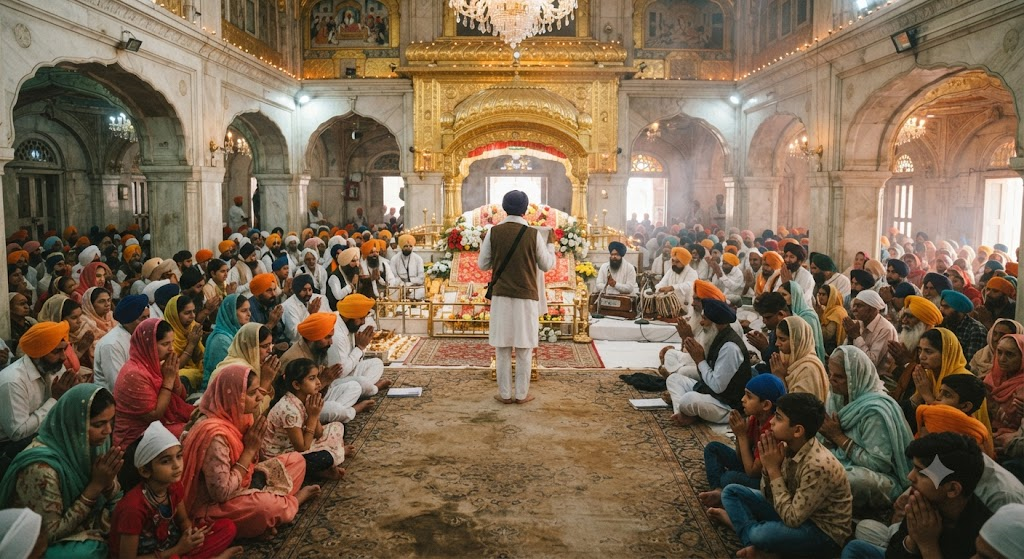 Ardas — Every Sikh prayer immortalizes the supreme sacrifices of the Gurus and martyrs